
My Year in Books (2025)

When I finish reading or listening to a book, I add it to my annual “books read” list. My 2025 list is at the end of this post.
This year I was especially grateful for books by two RTS Jackson colleagues, Guy Waters and John Fesko.
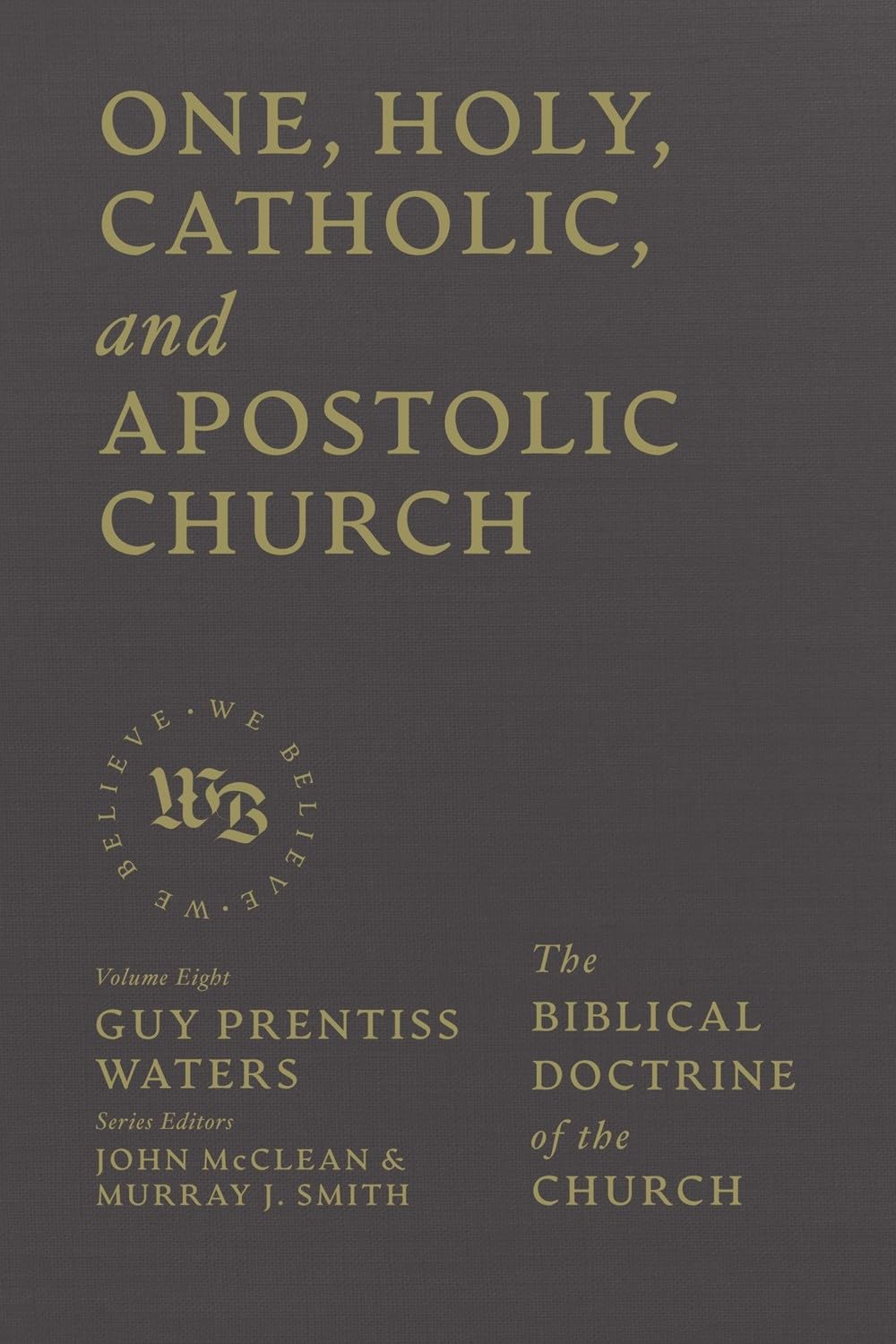
On the 1700th anniversary of the Council of Nicaea, the “We Believe” series offers studies of the doctrines confessed in the Nicene Creed. In it, Water’s One, Holy, Catholic, and Apostolic Church contributes to our understanding of the Reformed doctrine of the church. The author makes good use of his thorough grasp of biblical theology, systematic theology, and church history to provide readers with a comprehensive study of the nature and work of the church.
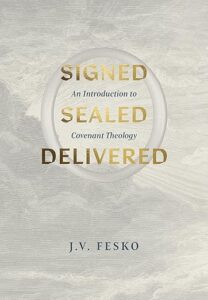
It is through covenants that God discloses his plan of redemption. Fesko’s Signed, Sealed, Delivered is an accessible introduction to covenant theology. I hope this book finds a wide readership among church members. But as a seminary professor, I am especially concerned with the preparation of future pastors. Bible expositors learn their craft by studying those who practice it well, and Fesko models a clear biblical exposition and doctrinal precision that serves well those who preach and teach God’s word.
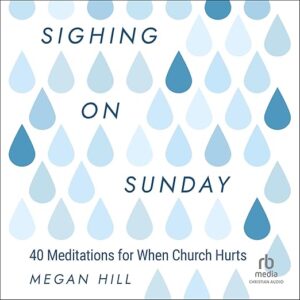
Megan Hill loves the church. Each of her books and articles reveals the depth of that love. Sighing on Sunday is no exception. The book emerged from a conversation. She asked, “What are the reasons why church can hurt?” She listened and – in subsequent months – kept listening to many more stories of saints who found life in the church hard and painful. From these conversations come 40 meditations that comprise this book. They explore the sources of pain that may hinder members from gathering on Sunday – or when they go – to rob them of their joy of worship and fellowship. Just as importantly, they unfold why the church is precious to our Savior and must be precious to us, too.
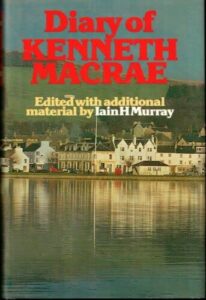
Like the diaries and memoirs of Boston, McCheyne, and Bonar, the Diary of Kenneth MacRae merits reading and rereading. Seminary students would do well to study these works as they prepare for ministry and to return to them for encouragement throughout their years of pastoral service in the Lord’s church.
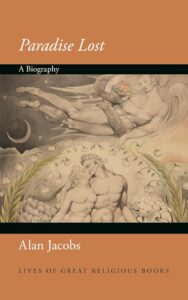
Paradise Lost remains a classic of English literature. And Alan Jacob’s Paradise Lost: A Biography provides ample motivation to take up and read or reread the great work. A volume in the “Lives of Great Religious Books,” its purpose “is to provide a biography of the poem — that is, to narrate how it has lived over the centuries since its composition.” To make this project manageable in less than 200 pages, Jacobs confines himself to three hotly contested areas in Milton studies: government, sexual politics, and theology proper. One need not proceed far in his whirlwind history of the poem’s interpretation before coming to agree with him that “almost every statement one might make about Paradise Lost, even the most apparently anodyne, may be debated.”

Wise pastors pay attention to the systems and behaviors that support effective pastoral care and missions. In Healthy Churches Grow, Tucker York provides sage advice on building and maintaining healthy organizational behaviors that will make pastors more effective in doing what they love to do most – preach the word, shepherd the flock, and evangelize the lost.

My last few years of high school were spent in rural Middle Tennessee. The only television station our home could pick up was the Nashville PBS affiliate. It was during this time I became hooked on William F. Buckley, Jr.’s “Firing Line.” The conservative host’s hour-long interviews with persons of all different political stripes were informative and a testimony that persons with strong political disagreements can have civil and profitable discussions of controversial issues. Published on the hundredth anniversary of Buckley’s birth, Sam Tanenhaus’s Buckley: The Life and the Revolution That Changed America was the best biography I read this year.

Christians seeking an introduction or basic refresher course in systematic theology will benefit from Kevin DeYoung’s Daily Doctrine: A One Year Guide to Systematic Theology. 260 one-page expositions of cardinal Christian doctrines will enrich the devotional life of faithful students of God’s word.
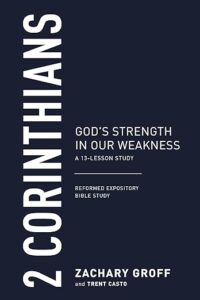
Zachary Groff’s 2 Corinthians: God Strength in Our Weakness is the first Bible study guide to find its way onto my list. This fine 13-lesson study is an excellent companion to Trent Casto’s volume in the Reformed Expository Commentary series. The studies’ well-framed questions help readers to study the text carefully while making connections with other passages of scripture, as well as with the doctrines of the church’s historic creeds and confessions. Each study concludes with thought-provoking questions that will help students make applications from the text to individual and congregational life.
2025 Books Read
1. T. David Gordon, Choose Better: Five Biblical Models for Making Ethical Decisions
2. Will Metzger, Tell the Truth: The Whole Gospel, Wholly by Grace, Communicated Truthfully & Lovingly*
3. Patrick Lencioni, The Motive
4. E.M. Bounds, Power Through Prayer*
5. John Calvin, A Little Book on the Christian Life*
6. Brian A. DeVries, You Will Be My Witnesses
7. H.R. McMaster, At War with Ourselves: My Tour of Duty in the Trump White House
8. Mark Helprin, Paris in the Present Tense*
9. Patrick M. Lencioni, The 6 Types of Working Genius: A Better Way to Understand Your Gifts, Your Frustrations, and Your Team
10. Chris Whipple, The Gatekeepers: How the White House Chiefs of Staff Define Every Presidency
11. Randy Newman, Questioning Evangelism: Engaging People’s Hearts the Way Jesus Did
12. J.C. Ryle, Holiness (1877 edition)*
13. Catherine Grace Katz, The Daughters Of Yalta: The Churchills, Roosevelts, and Harrimans: A Story of Love and War
14. Donald John Maclean, All Things Ready: Understanding the Gospel in Its Fullness and Freeness
15. C.S. Lewis, A Preface to Paradise Lost
16. Tia Levins, A Well-Trained Wife: My Escape from Christian Patriarchy
17. Richard B. Gaffin, Jr., In the Fullness of Time
18. Chris Whipple, The Spymasters: How the CIA Directors Shape History and the Future
19. Report of the PCA Ad Interim Committee on Domestic Abuse and Sexual Assault*
20. John Milton, Paradise Lost*
21. Chris Whipple, Uncharted: How Trump Beat Biden, Harris, and the Odds in the Wildest Campaign in History
22. Christopher Ash, The Book Your Pastor Wishes You Would Read (but is too embarrassed to ask)
23. R.A. Finlayson, The Cross in the Experience of Our Lord*
24. Charles Portis, True Grit*
25. Thomas Watson, All Things for Good*
26. Jonathan Edward, Heaven Is a World of Love (Crossway Short Classic)*
27. Ron Rash, The Caretaker
28. Tim Townsend, Mission at Nuremberg: An American Army Chaplain and the Trial of the Nazis
29. Jordan Stone, A Holy Minister: The Life and Spiritual Legacy of Robert Murray M’Cheyne*
30. Lawrence Perelman, American Impresario: William F. Buckley, Jr., and the Elements of American Character
31. Mikhail Bulgakov, The Master and Margarita
32. J.L. Carr, A Month in the Country
33. Ernest Hemingway, The Old Man and the Sea*
34. Daniel G. Hummel, The Rise and Fall of Dispensationalism: How the Evangelical Battle Over the End Times Shaped a Nation
35. Chip Heath and Dan Heath, Switch: How to Change Things When Change Is Hard
36. Alan Jacobs, Paradise Lost: A Biography
37. James Kimmel Jr., The Science of Revenge: Understanding the World’s Deadliest Addiction–and How to Overcome It
38. Patrick O’Brian, Master & Commander*
39. William Shakespeare, Henry V*
40. Jesse Q. Sutanto, Vera Wong’s Unsolicited Advice for Murderers
41. Orlando Reade, What in Me Is Dark: The Revolutionary Afterlife of Paradise Lost
42. Stuart Olyott, Ministering Like the Master*
43. Kenneth A. MacRae, Diary of Kenneth A. MacRae (edited by Iain Murray)*
44. Christopher Ash, Remaking a Broken World: The Heart of the Bible Story
45. John Milton, Paradise Lost (yes, I read it twice this year)*
46. Sam Tanenhaus, Buckley: The Life and the Revolution That Changed America
47. Amor Towles, Rules of Civility
48. Stephen Wolfe, The Case for Christian Nationalism
49. George Eliot, Daniel Deronda*
50. Gertrude Himmelfarb, The Jewish Odyssey of George Eliot*
51. The Bible*
52. Katherine Stewart, The Power Worshippers: Inside the Dangerous Rise of Religious Nationalism
53. Louise Perry, The Case Against the Sexual Revolution*
54. Rob Ventura, Equipped to Evangelize: A Biblical Foundation
55. F. Scott Fitzgerald, The Great Gatsby*
56. David McCullough, History Matters
57. Phillip Cary, The Nicene Creed, An Introduction
58. Kevin DeYoung, The Nicene Creed: What You Need to Know about the Most Important Creed Ever Written
59. Kevin DeYoung, Daily Doctrine: A One Year Guide to Systematic Theology
60. Guy Prentiss Waters, One, Holy, Catholic and Apostolic Church: The Biblical Doctrine of the Church
61. Tucker York, Healthy Churches Grow: The Pastor’s Guide to Reducing Chaos, Creating Momentum, and Leading His Church to Health
62. Miles Smith, Religion & Republic: Christian America from the Founding to the Civil War
63. Charles Murray, Taking Religion Seriously
64. Virginia Evans, The Correspondent
65. J.V. Fesko, Signed, Sealed, Delivered: An Introduction to Covenant Theology
66. Darryl G. Hart, A Secular Faith: Why Christianity Favors the Separation of Church and State*
67. Dan Jones, Henry V: The Astonishing Triumph of England’s Greatest Warrior King
68. Alistair Begg, The Man on the Middle of the Cross: Are You Going to Heaven? (booklet)
69. Charles Grosvenor Osgood, Poetry as a Means of Grace
70. Thomas Finch, Victorians Then and Now
71. Zachary Groff (and Trent Casto), 2 Corinthians: A 13-Lesson Study Guide
72. Garrett Ward Sheldon, The Political Philosophy of James Madison
73. Douglas Murray, The War on the West
74. John and Miriam Carver, The Policy Governance Model and the Role of the Board Member*
75. Atul Gawande, Being Moral: Medicine and What Matters in the End
76. Allen Levi, Theo of Golden*
*reread
